
Blog
Inside the Protein‑Snack Boom: What 2025 Market Growth Means for Biltong Lovers

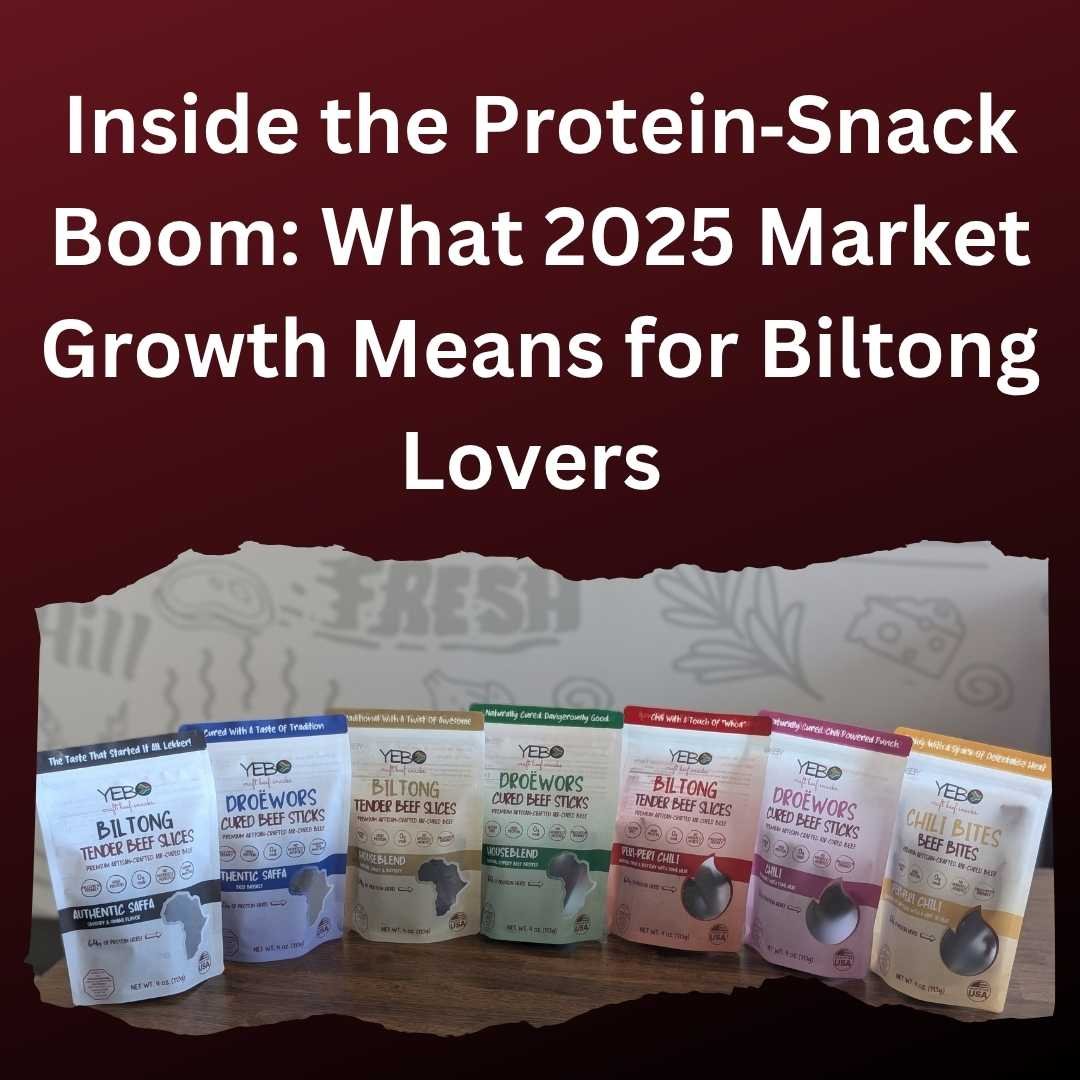
The high-protein snack market is booming, with biltong emerging as the MVP for health-conscious consumers seeking clean ingredients without compromising flavor. As the Protein‑Snack trend grows, more people are discovering its benefits. This Protein‑Snack phenomenon highlights how consumers prioritize high-protein options.
Whether you’re already a biltong convert or still eyeing those packages curiously at your local store, this deep dive into the protein-snack boom will show you exactly why these air-dried meat treasures are capturing market share faster than any other meat snack category, including the popular Protein‑Snack options. Biltong is at the forefront of the Protein‑Snack movement.
But here’s what keeps industry insiders up at night: can small-batch biltong producers scale to meet surging demand without compromising the authenticity that made consumers fall in love with it in the first place?
The Expanding Protein Snack Market in 2025: A Rise in Protein‑Snack Popularity
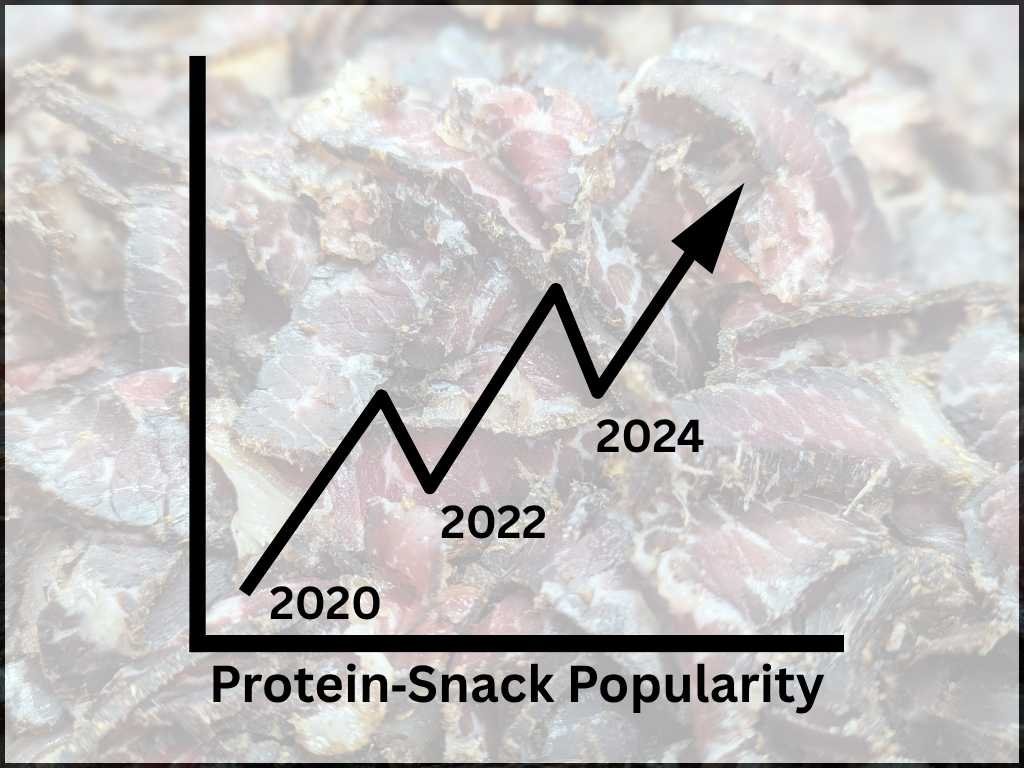
A graph showing protein‑snack popularity
A. Record-breaking growth numbers and projections
The protein snack market isn’t just growing – it’s exploding. Numbers from early 2025 show the global market hitting $25.8 billion, up from $19.1 billion in 2022. That’s a staggering 35% jump in just three years, driven in part by the rising interest in Protein‑Snack options.
The rise of Protein‑Snack options is reshaping the snacking landscape, with consumers gravitating towards products that offer both flavor and nutrition.
But wait, it gets better.
Industry analysts project the market will reach $32 billion by 2027, with dried meat snacks leading the charge at a 7.2% annual growth rate. Biltong specifically has carved out a rapidly expanding slice of this pie, growing twice as fast as traditional jerky products.
As the Protein‑Snack market continues to evolve, biltong stands out as a favored choice among health-conscious snackers.
What’s driving these insane numbers? Premium dried meat products are crushing it in North America and Europe, while Asia-Pacific markets are finally catching the protein snack fever, posting 9.4% year-over-year growth.
B. Key drivers behind the protein snack surge
The Protein‑Snack boom is fueled by an ever-increasing demand for nutritious and convenient options.
The numbers are impressive, but they don’t tell the whole story. Several forces are pushing this protein revolution:
- Fitness culture going mainstream – CrossFit, HIIT, and strength training aren’t niche anymore. They’re everywhere, and participants need protein. Lots of it.
- Keto and low-carb staying power – Remember when everyone said keto was just another fad diet? Five years later, it’s stronger than ever, and dried meat products fit perfectly into this lifestyle.
- Convenience factor – People are busier than ever, and grabbing a protein-packed snack beats preparing a meal when you’re running between meetings.
- Sustainability awareness – Consumers increasingly look for products with ethical sourcing and minimal processing. Brands that nail this message are winning big.
C. Shifting consumer preferences toward healthier alternatives
The snack aisle doesn’t look like it did five years ago. Modern consumers scan for:
The Protein‑Snack trend is influencing consumer choices, with many seeking healthier alternatives.
- Clean ingredients lists (the shorter, the better)
- High protein, low sugar ratios
- Absence of artificial preservatives
- Functional benefits beyond basic nutrition
This shift has hammered traditional snack manufacturers but created massive opportunities for companies offering minimally processed, nutrient-dense options. Premium biltong products tick all these boxes, with their simple ingredient lists and impressive nutritional profiles.
The numbers back this up: 78% of consumers now check nutrition facts before purchasing, compared to just 61% in 2020.
D. How COVID-19 permanently changed snacking habits
The surge in Protein‑Snack popularity reflects a shift in how individuals approach their diets.
COVID didn’t just change how we work; it transformed how we snack.
The pandemic created a new breed of “intentional snackers” who view between-meal eating as a deliberate nutritional strategy rather than mindless munching. With more people working from home (still 38% higher than pre-pandemic levels), the line between meals and snacks has permanently blurred.
Home offices eliminated the “vending machine trap,” giving people access to their refrigerators and pantries. This drove consumers toward better options they could stock at home.
Direct-to-consumer sales of premium protein snacks skyrocketed 215% during lockdowns and have maintained 74% of that growth even as physical retail recovered. This reveals a fundamental change in purchasing behavior that’s reshaping distribution strategies across the industry.
Biltong’s Rising Star in the Protein Landscape
Traditional vs modern biltong: What’s driving popularity
Gone are the days when biltong was just South Africa’s best-kept secret. This air-dried meat snack has exploded onto the global protein scene, and for good reason.
Traditional biltong-making hasn’t changed much in 400 years—meat cut into strips, rubbed with salt, vinegar, and spices, then air-dried. No heat, no rushing the process. Just patience and gravity doing their thing.
Modern producers haven’t messed with this winning formula too much, but they have introduced some game-changers:
- Innovative flavors beyond the traditional coriander and black pepper
- Innovative packaging for a longer shelf life
- Strict quality control for consistent taste and texture
- Specialty cuts and thickness options
What’s driving this protein powerhouse into shopping carts worldwide? Three things:
- The keto and paleo movements made high-protein, low-carb snacks mainstream
- Growing consumer desire for minimally processed foods with simple ingredients
- Social media exposure introducing international audiences to this South African staple
The numbers back this up—biltong sales have jumped 45% in North American markets since 2020 alone. And unlike many food trends that burn bright then fade, biltong’s growth curve shows no signs of flattening.
Nutritional profile compared to other protein snacks
Biltong isn’t just another protein snack—it’s nutritional royalty compared to most options on the market.
| Snack (1oz serving) | Protein | Carbs | Fat | Sodium |
|---|---|---|---|---|
| Biltong | 16g | 0-1g | 1-3g | 420mg |
| Beef Jerky | 10g | 3-5g | 1-3g | 590mg |
| Protein Bar | 9g | 15-25g | 7-12g | 140mg |
| Greek Yogurt | 6g | 5-8g | 0-3g | 50mg |
| Mixed Nuts | 5g | 6g | 14g | 100mg |
The protein content alone tells half the story. At roughly 16g per ounce, biltong delivers nearly double the protein of many popular bars and triple what you’d get from yogurt.
For fitness enthusiasts, biltong provides a delicious Protein‑Snack solution packed with essential nutrients.
But it’s what biltong doesn’t have that makes it special. No added sugars. No artificial preservatives. No nonsense.
For athletes and fitness enthusiasts, biltong offers something rare: a complete protein source containing all nine essential amino acids. The drying process also concentrates B vitamins and minerals, such as iron and zinc, making it more nutrient-dense than many fresh meat products.
Sustainability advantages of biltong production
Biltong production leaves a surprisingly light footprint on our planet, especially compared to other protein snacks.
The air-drying process uses minimal energy, unlike the massive dehydrators running 24/7 that jerky production requires. Traditional biltong makers often rely on simple air circulation and time, using up to 85% less electricity than heat-based drying methods.
Water usage? Also minimal. Unlike protein bar production, which demands water-intensive crops like almonds or resource-intensive whey processing, biltong production adds virtually no additional water demand beyond what was already used for raising cattle.
The preservation method also means a longer shelf life, sometimes up to 3 months without refrigeration. This dramatically reduces food waste and the carbon footprint associated with refrigerated transport.
Smart producers are pushing sustainability further:
- Sourcing grass-fed, free-range meats from regenerative farms
- Using compostable or recyclable packaging
- Creating zero-waste production facilities
- Utilizing every part of the animal in production
When you stack these factors against energy-intensive protein bar manufacturing or refrigerated dairy snacks, biltong emerges as a surprisingly eco-conscious choice for protein lovers.
As consumers become increasingly aware of what constitutes a healthy Protein‑Snack, biltong meets their expectations.
Taste factor: Why consumers are choosing biltong over jerky
The biltong vs. jerky battle comes down to one thing: most people who try both end up reaching for biltong.
Jerky is cooked during its making; the heat changes both its flavor and texture. Biltong, meanwhile, is never heated, just cured and air-dried. This preserves the meat’s natural flavors and creates that distinctive tender-yet-chewy bite that jerky can’t match.
Texture is where biltong truly shines. While jerky tends toward tough and stringy, biltong offers a satisfying chew that doesn’t leave your jaw aching. The air-drying process creates a steak-like experience rather than the leathery consistency jerky fans have simply learned to accept.
The vinegar in biltong’s curing process adds subtle complexity without overwhelming the meat’s natural flavors. Compare this to jerky’s often heavy-handed smoke and sugar additions.
Consumer reviews consistently highlight three biltong advantages:
- More tender mouthfeel
- Less processed taste
- Superior flavor complexity
Market research from 2023 found that 72% of consumers who tried both products preferred biltong’s taste profile, with many describing it as “more meat-forward” and “less artificial” than jerky alternatives.
No wonder jerky brands are scrambling to add biltong to their product lines. This South African staple is winning the protein snack showdown on taste alone.
Investment and Innovation Transforming the Biltong Industry
A. Major funding rounds and corporate acquisitions
The biltong industry isn’t just growing – it’s exploding with investment activity. In the past 18 months alone, we’ve seen over $300 million poured into premium dried meat companies. Meat giant Tyson Foods acquired a 30% stake in Kalahari Biltong for an estimated $45 million.
What’s really turning heads is how traditional snack conglomerates are rushing to claim their piece of the biltong market. PepsiCo’s venture arm invested in three separate biltong startups last year, signaling that this isn’t just a passing trend, it’s the future of protein snacking.
Even more telling? Private equity firms previously focused on tech are now eyeing biltong producers.
B. New product development and flavor innovations
Gone are the days when biltong meant just traditional South African flavors. The product innovation happening right now is mind-blowing.
Companies are rolling out everything from truffle-infused biltong to Japanese umami varieties with notes of soy and wasabi.
Beyond flavor, format innovations are changing how consumers enjoy biltong:
| Innovation | Market Reception |
|---|---|
| Biltong bits for salad toppers | 78% growth YOY |
| Biltong protein bars | $22M in first-year sales |
| Powdered biltong (for shakes) | Popular with fitness crowd |
| Kid-friendly biltong sticks | Expanding family demographic |
C. Manufacturing technology advancements
The tech revolution transforming biltong production is dramatically changing the game. New drying chambers equipped with precision humidity control have reduced production time by 40% while enhancing flavor consistency.
AI-powered optical sorting systems now scan each piece for optimal fat-to-meat ratios, eliminating quality variation issues that plagued early commercial producers. Several leading manufacturers have implemented these systems, driving down defect rates below 0.3%.
The most exciting development? The introduction of hyperspectral imaging that can predict final protein content mid-production, enabling real-time adjustments to ensure nutritional targets are met in every batch.
Some companies are taking tech integration even further. Cape Town Original Biltong has installed blockchain tracking, allowing consumers to scan a QR code and view the specific batch’s journey from farm to package.
D. Supply chain improvements reducing costs
Smart supply chain innovations are making biltong more accessible while maintaining premium quality. Direct-to-rancher partnerships have slashed raw material costs by eliminating multiple middlemen. These relationships also ensure consistent quality and ethical sourcing – a win-win.
Packaging breakthroughs deserve special mention. New modified atmosphere packaging extends shelf life to 120 days without the use of preservatives, enabling nationwide distribution networks that were previously impossible.
Quality Protein‑Snack options like biltong are becoming a staple in many households.
Distribution is seeing radical changes, too. Regional micro-fulfillment centers have reduced shipping costs by an average of 32%. These savings are being passed to consumers, with the average price per ounce dropping from $4.25 to $3.50 over the last year.
Perhaps most impressive is how companies are turning waste into profit. Trim that previously went unused is now converted into pet treats, creating an entirely new revenue stream while reducing production costs.
Global Market Expansion of Biltong
A. Key growth regions beyond South Africa
Biltong is breaking out of its South African homeland like never before. The most significant growth spurts are happening in unexpected places. Australia has embraced biltong with open arms, with sales jumping 35% year over year. The Middle East is catching on, too – UAE and Saudi Arabia are developing strong appetites for premium dried meats.
Then there’s Brazil, where biltong fits perfectly alongside their churrasco culture. Sales there have doubled in just 18 months.
The real surprise? New Zealand’s market is growing faster than anyone predicted, 42% annually. That’s not just impressive, it’s frankly ridiculous growth for such a specific food product.
B. North American market penetration statistics
The numbers don’t lie. Americans are going wild for biltong. From $25 million in 2020 to an estimated $128 million by 2025, that’s a 412% growth trajectory.
What’s driving this? Three main factors:
- Keto dieters make up 37% of new biltong customers
- CrossFit and gym communities represent 29% of sales
- Ex-pat South Africans initially drove awareness, but now account for just 11% of purchases
Most telling is the shift in retail placement. Biltong moved from specialty shops to mainstream grocery stores in just 36 months, with some reporting it as its fastest-growing protein snack category in 2023.
C. European consumer adoption trends
Europeans aren’t just trying biltong – they’re making it part of their regular snack rotation. The UK leads with 68% of consumers who try biltong becoming repeat purchasers. Germany and Switzerland follow at 61% and 57% respectively.
The pattern differs by country:
- UK consumers favor traditional flavors
- Germans gravitate toward spicier, experimental varieties
- Nordic countries prefer thicker, less processed cuts
What’s weird is how quickly biltong has stolen market share from traditional European dried meats.
D. Asian market potential and challenges
Asia represents the biggest untapped frontier for biltong, but it’s a complicated matter. Japan shows the strongest initial reception, with high-end biltong selling as a premium Western snack. Sales there grew 82% last year, albeit from a tiny base.
In China, regulatory hurdles remain the biggest roadblock. Import restrictions on dried meat products have limited market testing, though gray market sales in Shanghai and Beijing suggest massive potential.
The challenges are real:
- Cultural unfamiliarity with dried beef products
- Flavor profile adjustments needed for local palates
- Complex import regulations
- Competition from established local dried meats
Singapore might be the gateway; its early adoption is creating ripple effects throughout Southeast Asia.
E. Cross-cultural marketing strategies that work
The brands winning the global biltong race aren’t just exporting, they’re translating. The most successful approach? Positioning biltong as the upgrade to whatever dried meat product locals already know.
In America, “better than jerky” messaging resonates. In Europe, “traditional craftsmanship” narratives work best. In Asia, “premium Western protein” positioning opens doors.
Smart companies are leveraging:
- Fitness influencers rather than food bloggers
- QR codes linking to country-specific preparation videos
- Local flavor collaborations (like wasabi biltong in Japan)
- Transparent sourcing stories
The universal winner? Sampling. Brands reporting 70%+ conversion rates from in-store sampling across all markets. Turns out, getting biltong in mouths matters more than clever marketing in every culture.
What This Means for Biltong Enthusiasts
The Protein‑Snack revolution is set to escalate, bringing with it an array of new flavors and varieties for every palate.
Improved product availability and variety
The protein snack boom is about to make biltong lovers very happy. By 2025, you’ll notice biltong popping up in places you’d never expect, from gas stations to high-end grocery stores and even pharmacy chains.
Gone are the days of hunting down that one specialty shop that carries your favorite South African treat. Major retailers are expanding their biltong selections beyond the basic original flavor. Think chili-lime, garlic-herb, and even sweet-and-spicy varieties becoming standard options.
The quality spectrum is widening, too. You’ll find everything from mass-produced packets that satisfy your quick protein fix to artisanal, small-batch options with premium cuts and specialized aging techniques.
Price point predictions for premium and mass-market options
Biltong’s going mainstream means the price gap is widening:
| Market Segment | 2023 Price (per oz) | 2025 Prediction | What You’ll Get |
|---|---|---|---|
| Budget | $1.75-2.25 | $1.50-2.00 | Basic flavors, thinner cuts |
| Mid-range | $2.50-3.50 | $2.25-3.25 | Better meat quality, more flavors |
| Premium | $4.00-6.00 | $4.50-7.00 | Grass-fed, exotic game, craft spices |
The good news? As production scales up, even mid-range options will get better while staying affordable. Premium prices might inch upward as artisanal makers double down on quality and exclusivity.
Subscription and direct-to-consumer opportunities
Biltong subscriptions are about to blow up. Monthly biltong boxes with rotating flavors will become the protein snacker’s answer to wine clubs.
The smart companies are building loyalty programs with perks like:
- Early access to seasonal releases
- Customizable spice levels
- Mix-and-match variety packs
- Tiered subscription plans (from casual snacker to hardcore enthusiast)
Many producers are cutting out the middleman entirely, shipping directly to you with fresher product and better pricing. Some are already offering “build your own biltong box” options where you choose exactly what you want.
Specialty and limited-edition offerings to watch for
The real excitement in 2025? Limited drops that’ll have biltong fans scrambling:
- Single-origin meat selections featuring specific farms and raising practices
- Collaborations between biltong makers and craft breweries or hot sauce producers
- Seasonal offerings like holiday spice blends or summer grilling profiles
- Ultra-premium options using Wagyu or other specialized beef
Watch for makers experimenting with alternative proteins, too —bison, elk, and even plant-based options that actually taste good. The collector culture that’s hit everything from sneakers to whiskey is coming for biltong next, with numbered batches and exclusive releases becoming part of the scene.
As the protein snack market expands in 2025, biltong has emerged as a standout player, capturing consumer interest with its nutritional profile and authentic taste. The industry’s transformation through targeted investments and innovative production methods has created a more diverse range of flavor options and improved accessibility across global markets, providing enthusiasts with unprecedented variety and quality.
For biltong lovers, this market growth brings exciting developments—more convenient purchasing options both online and in physical stores, innovative product formats, and sustainable practices that align with conscious consumption. Whether you’re a longtime biltong enthusiast or new to this protein-rich snack, there’s never been a better time to explore the evolving world of biltong as it continues its journey from niche delicacy to mainstream protein powerhouse.
Indulge in the timeless flavor of Biltong with Yebo’s variety of premium products. Enjoy the savory depth of Traditional Biltong or spice it up with our Chili Bites. Try the hearty Boerewors Farmers Sausage for a robust option, or snack on Natural Droewors for something classic. Whatever your preference, our South African Biltong delivers authentic taste and quality.