

Blog
Beyond Beef, A Quick Guide to Boerewors and Droewors Classics

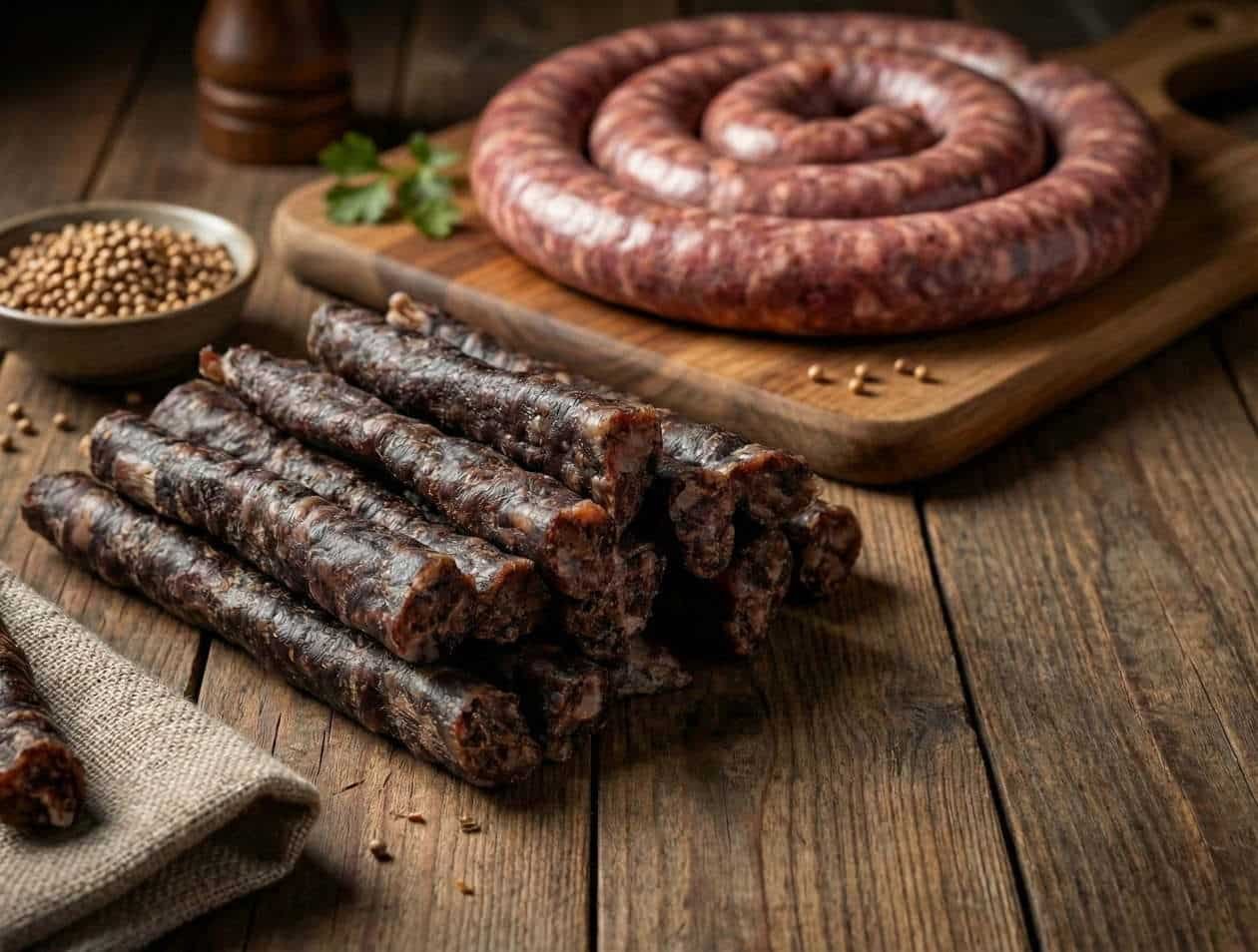
Biltong might be the star of the show for many South Africans, and for good reason, but it is not the only cured or seasoned meat that carries the spirit of South African flavor. If you have ever stood around a braai, shared snacks before a rugby match, or grown up in a household where weekends meant sizzling pans and smoky aromas, then you know that boerewors and droewors have their own loyal following. They are nostalgic, flavorful, comforting, and built on the same deep tradition that makes South African cuisine so special.
For many, the nostalgia of boerewors and droewors brings back cherished memories of family gatherings and barbecues.
For anyone exploring South African flavors for the first time, biltong is often the entry point. It is easy to enjoy, perfect for snacking, simple to pack, and delicious straight out of the bag. But if you want to go deeper into the culture and history behind these foods, then boerewors and droewors are the natural next step. They reflect the farming traditions, spice creativity, and communal spirit that define South African cooking.
This guide takes you beyond beef slices and into the world of these classic meats, explaining what they are, how they are made, what sets them apart, and how best to enjoy them. Whether you grew up eating them or you are discovering them for the first time, boerewors and droewors offer a taste of something both familiar and completely unique.
When you indulge in boerewors and droewors, you are not just enjoying food; you are partaking in a rich tradition.
Understanding What Makes South African Meat Traditions Special
South Africa has a long history of preserving and seasoning meat. The climate, the farming lifestyle, and the need for food that could be stored without refrigeration created a culinary culture built on practicality and creativity. These dishes were not born from luxury. They were born from necessity, shaped by long days outdoors, open fires, and resourceful cooks who knew how to bring out the best in simple ingredients.
Biltong came from the need to preserve fresh meat. Droewors followed the same logic, turning sausage into something that could be enjoyed long after it was made. Boerewors grew out of the braai tradition, where friends and family gathered around open flames to share food, stories, and time together.
Boerewors and droewors both hold an important place in this history. They are staples that remind people of home, tradition, and togetherness. Even if you have never tried them before, their flavors carry a warmth that feels instantly welcoming.
What Exactly Is Droewors
Known for its convenience, droewors is often paired with boerewors at gatherings.
Droewors is the dried cousin of boerewors. While boerewors is cooked fresh, droewors is dried slowly in an air-circulation process, similar to biltong. The word literally means dry sausage. It is a slender, flavorful stick of seasoned meat that becomes tender and shelf-stable after drying.
The seasoning is what makes droewors stand out. Coriander is the dominant flavor, supported by black pepper, a touch of clove, and other spices, depending on who is making it. It is savory and aromatic, but never overwhelming. The beauty of droewors lies in its simplicity. The spices enhance the meat rather than mask it.
Droewors is usually made from beef, but the fat ratio is carefully controlled so the sausage dries evenly without becoming greasy or overly firm. The texture is tender but not soft, dry but not brittle. When made correctly, droewors breaks apart easily and melts on the tongue, delivering that familiar coriander-rich flavor that South Africans know by heart.
It is one of the easiest South African snacks to love. It requires no preparation. You can eat it on hikes, road trips, picnics, during work, or while watching a game. It is high in protein, low in carbohydrates, and naturally satisfying. If biltong is a pantry staple, droewors is its playful sidekick.
What Exactly Is Boerewors
 Boerewors is the star of the South African braai. You know a real braai is happening when you hear the crackling of wors on the grill and smell the spices warming in the air. It is a fresh sausage made from coarsely ground beef, often mixed with lamb or pork depending on the recipe, and seasoned with a traditional blend that includes coriander, black pepper, nutmeg, clove, and vinegar.
Every bite of boerewors and droewors tells a story of the land and its people.
The name comes from two Afrikaans words, boer meaning farmer, and wors meaning sausage. True to its name, boerewors was originally made by farmers who had access to fresh meat and developed their own seasoning blends over generations. To this day, every family, butcher, and region has its own version. Some prefer a bold coriander flavor. Some lean more into clove or nutmeg. Some add vinegar for tang, while others prefer a richer, meat-forward profile.
What sets boerewors apart from ordinary sausage is the way it is coiled. It is shaped into a long spiral, which allows it to cook evenly and stay juicy. The coiling also makes it distinct visually, instantly recognizable even from a distance.
Boerewors is cooked fresh, usually over charcoal, though pan-frying or grilling works great at home. When cooked correctly, it stays juicy inside with a crisp, caramelized outside. The flavor is savory, warm, and nostalgic to anyone who grew up around it. It is more than food. It is a symbol of togetherness.
The Biggest Difference Between Droewors and Boerewors
The contrast in textures between boerewors and droewors enriches the culinary experience.
Droewors and boerewors may share similar spices and heritage, but they offer completely different eating experiences. Droewors is dried, portable, and perfect for snacking. Boerewors is fresh, juicy, and best enjoyed hot off the grill.
Droewors gives you convenience. You can enjoy it anytime, anywhere, without preparation. It is ideal for travel, outdoor adventures, work breaks, and everyday snacking.
Boerewors gives you ceremony. It is meant to be shared, cooked, and enjoyed in community. Braais are as much about connection as they are about food, and boerewors fits perfectly into that ethos.
If droewors is the snack, boerewors is the meal. Both play different roles, and both bring something unique to the South African table.
How the Spice Profiles Shape the Experience
Understanding the spice profiles of boerewors and droewors enhances appreciation for these traditional foods.
While droewors and boerewors share some spice elements, they are not seasoned exactly the same, because their drying and cooking methods require different balances.
Droewors leans heavily into coriander as the standout flavor. Coriander seed, when toasted lightly, releases a warm, citrusy aroma that defines the entire snack. Pepper adds a gentle heat, while clove provides a subtle sweetness.
Boerewors also contains coriander, but often blends in nutmeg, clove, and additional warming spices. Vinegar is sometimes added to help bind the flavors and give it a slight tang. The spices bloom as the sausage cooks, creating an aroma that fills the air and makes everyone nearby hungry.
Because boerewors is cooked fresh rather than dried, the spice notes feel rounder and fuller. Droewors, on the other hand, concentrates its flavors through the drying process, giving it a more intense but refined character.
How the Textures Differ
Texture plays a huge role in the enjoyment of both foods. Droewors has a tender, slightly firm bite that breaks apart easily. It is dry but not hard, with a satisfying chew that highlights the spice.
Boerewors is juicy and succulent when cooked correctly. The casing bursts slightly under the heat, creating a crisp exterior while the inside stays moist and full of flavor. The contrast between the outside caramelization and the tender interior is what makes boerewors so addictive.
These differences make the two products complementary rather than competitive. One satisfies the craving for a quick, flavorful bite. The other satisfies the craving for a hearty, comforting meal.
When to Choose Droewors
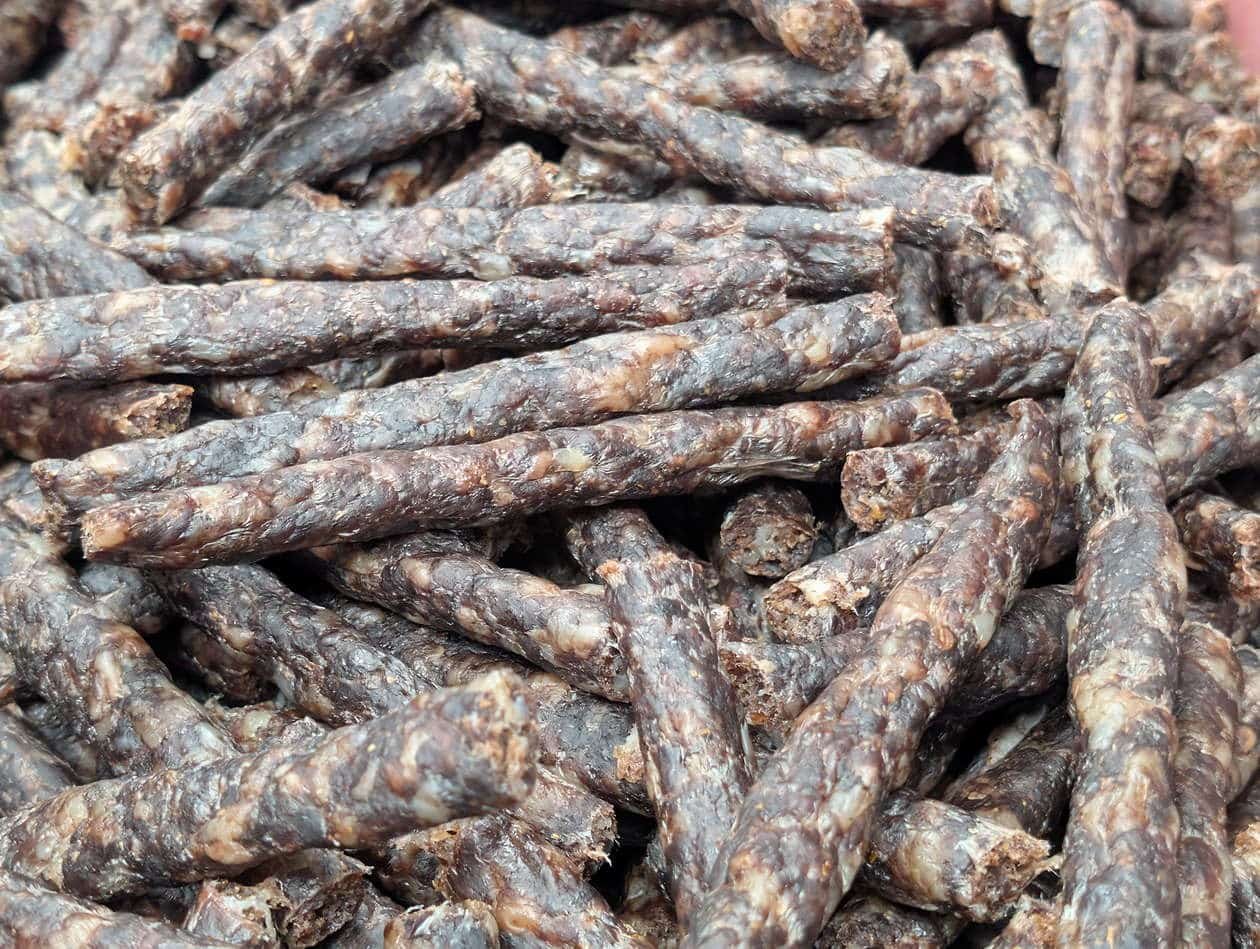 Choose droewors for on-the-go snacking, but make sure to savor boerewors when gathered with friends.
Droewors shines when you want something portable, fuss-free, and protein-rich. It fits seamlessly into everyday life. Keep a bag in your car, your backpack, or your desk drawer, and you are always prepared for hunger moments.
It is ideal for people who enjoy active lifestyles, since it fuels without slowing you down. Hikers, cyclists, travelers, and athletes often prefer droewors as their go-to snack because they store well and provide steady energy.
It also works beautifully on grazing boards or as a quick bite before dinner when you are not ready for a complete meal.
When to Choose Boerewors
The heart of a braai often revolves around boerewors and droewors as essential offerings.
Boerewors is at its best when it is shared. Braais, family gatherings, picnics, or weekend cookouts are the perfect settings. It encourages connection and brings people together naturally.
It is also a versatile ingredient. You can serve it in rolls, slice it into breakfast dishes, add it to stews, or pair it with pap and gravy. It holds up across meals and occasions with ease.
When you want a meal that feels comforting, satisfying, and heartfelt, boerewors is unbeatable.
Enjoying Them Together
Creating a platter with boerewors and droewors can elevate any gathering.
Although they serve different purposes, droewors and boerewors complement each other beautifully. They can appear together on platters, at celebrations, or on tasting boards. Guests love trying both because the contrast in texture and flavor creates a complete experience.
Enjoy droewors while the boerewors sizzles on the grill. Add both to a South African-themed board alongside biltong, cheese, fruit, and preserves. Serve droewors as a pre meal snack while people gather around the fire.
Together, they tell a story of South African culinary traditions, giving guests a taste of both convenience and ceremony.
Bringing South African Classics Into Modern Snacking
With boerewors and droewors, you have the perfect pairing for any social occasion.
Today, people want clean, protein-rich snacks that fit into busy lifestyles. Droewors meets that demand perfectly. It is simple, honest, and naturally nourishing.
Boerewors fits seamlessly into the growing interest in home cooking, grilling, and global flavor exploration. It gives people an easy way to experience authentic South African cuisine without needing complex techniques or ingredients.
As more people discover these classics, they realize that South African food is not defined only by spice or technique, but by a sense of warmth and community.
Closing Thoughts
Both boerewors and droewors reflect the culinary artistry present in South African culture.
Boerewors and droewors may come from the same heritage, but they each bring something entirely their own to the table. Droewors is the portable companion for long days, busy afternoons, and spontaneous adventures. Boerewors is the gathering place, the meal that brings people together around fires, tables, and shared stories.
Discovering the flavors of boerewors and droewors opens up a world of culinary delights.
Together, they represent the diversity and richness of South African meat traditions. They are familiar yet surprising, simple yet full of depth, and rooted in a culture that values flavor, community, and craft.
So if you love biltong, let your curiosity take you further. Explore droewors for its tender bite and bold spice. Fire up some boerewors and taste the heart of a true South African braai. Beyond beef slices lies a world of classics that carry history, pride, and unforgettable flavor.
Exploring the nuances of boerewors and droewors can deepen appreciation of South African cuisine.
And once you try them, you will understand why these timeless favorites remain beloved across generations.
Whether it’s boerewors or droewors, each offers a unique taste and experience that is hard to resist.